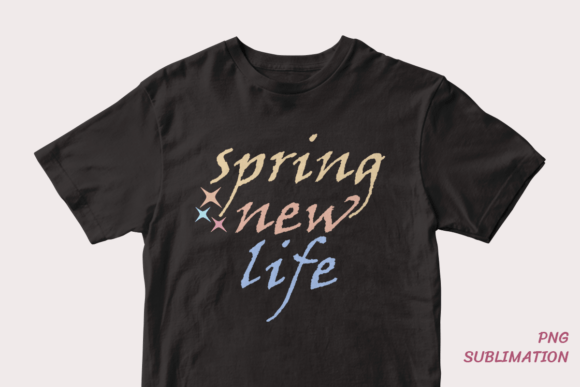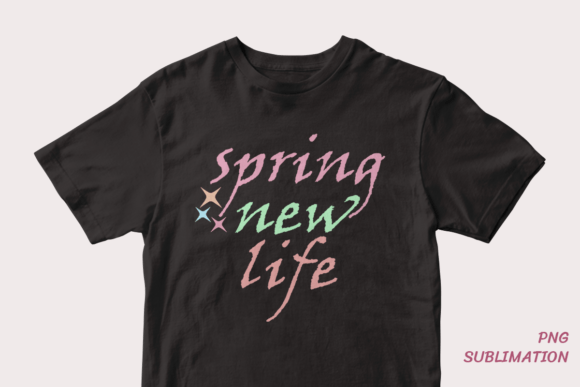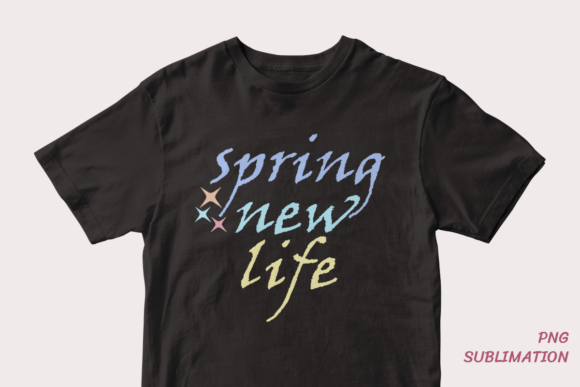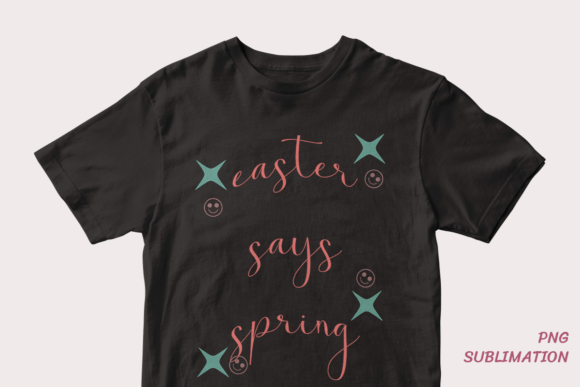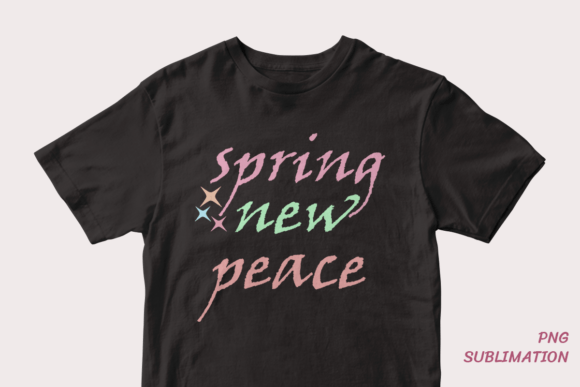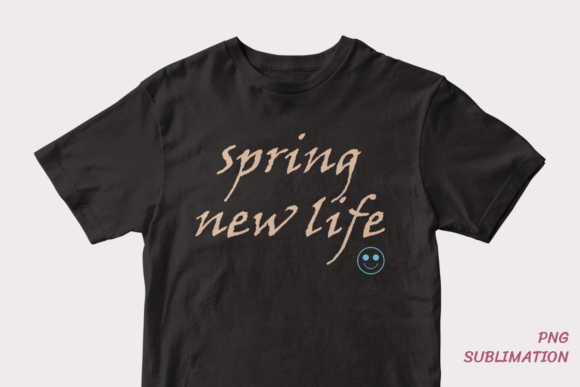
Spring New Life 5 Easter Png Sublimation: A Guide to Quality Results
If you are looking to add a touch of seasonal warmth to your creative projects, the Spring New Life 5 Easter Png Sublimation file offers a versatile starting point. This high-resolution asset is designed for creators who want to elevate their work without getting bogged down in complex design software. Whether you are a small business owner preparing for the holiday rush or a hobbyist making personalized gifts, understanding how to utilize this specific PNG correctly is crucial. Many users jump straight into printing without considering the nuances of sublimation transfers, leading to disappointing results that waste both time and money.
The core appeal of this digital file lies in its flexibility. It is not just an image; it is a tool that can transform plain objects into vibrant displays of spring cheer. However, the difference between a professional-looking product and a faded, pixelated mess often comes down to preparation and technique. By avoiding common pitfalls and focusing on best practices, you can ensure that every item you create reflects the quality of the original design.
Understanding the Versatility of Your Digital Asset
The Spring New Life 5 Easter Png Sublimation file is marketed as a solution for almost any project involving printed paper, logos, social media graphics, invitations, business cards, product packaging, T-shirts, stickers, mugs, pillows, blankets, book covers, and phone cases. While the list of applications is impressive, the reality is that not all materials react to sublimation ink in the same way. The file itself is a single PNG with dimensions of 3000x3000 pixels, which provides a solid foundation for high-quality output. But having a large file size does not guarantee a perfect print if the substrate (the material being printed on) is incompatible.
For instance, while this design works beautifully on polyester-coated mugs and light-colored textiles, it will not adhere properly to standard wood or dark cotton without additional steps. Beginners often assume that because a file is labeled "sublimation," it can be applied to any surface immediately. This misunderstanding can lead to frustration when the ink washes off or fails to bond. The key is to match the design's potential with the right material properties.
Common Pitfalls in Design Application
One of the most frequent errors involves the assumption that higher resolution automatically means better results across all platforms. While the 3000x3000px resolution is excellent for physical prints like blankets and pillows, using this massive file directly in a social media post without resizing can slow down website loading speeds and degrade the user experience. Conversely, scaling the image up too much for a large banner can introduce blurriness if the source lacks vector data. You must evaluate the intended output before finalizing your design layout.
Another significant issue arises from color management. Sublimation ink relies on heat to turn into a gas and bond with polymers. If your printer profiles are not calibrated correctly, the vibrant colors of the Spring New Life 5 design may appear dull or shifted toward blue or red tones. This is particularly problematic for branding purposes where color consistency is vital for business cards and product packaging. A mismatch here can make a professional-looking invitation appear cheap and untrustworthy.
Furthermore, many users overlook the importance of transparency in PNG files. If the background of the downloaded file is not truly transparent, you might end up with a white box surrounding your design on a clear sticker or a glass ornament. Always check the file layers before sending them to print. If the background is solid, you will need to remove it using editing software to achieve the clean look expected in modern scrapbooking and custom merchandise.
Ensuring Quality Through Proper Technique
To avoid these issues, start by verifying the compatibility of your equipment. For apparel like T-shirts and blankets, ensure the fabric contains at least 65% polyester. Natural fibers like 100% cotton will not hold sublimation ink well, resulting in a washed-out appearance that fades after the first wash. When working with hard substrates like phone cases or mugs, confirm that they have a polymer coating specifically designed for sublimation. Standard ceramic or plastic will not accept the transfer.
Temperature and pressure control are equally critical. Different materials require different heat settings. A mug might need 400°F for 180 seconds, while a pillowcase might require slightly lower temperatures to prevent scorching the fabric. Using a generic setting for all projects is a recipe for failure. Invest time in testing small samples before committing to a full batch of orders. This practice saves costs and ensures customer satisfaction.
When creating invitations or printable papers, pay attention to the DPI (dots per inch). Even though your source file is 3000x3000px, if you send it to a commercial printer set at 72 DPI, the result will be blurry. Always specify 300 DPI for high-quality prints. Additionally, consider the bleed area. If your design includes text or important elements near the edge, ensure they are not cut off during trimming. Leave a safe margin to protect your content.
Strategic Planning for Success
Before downloading or purchasing the Spring New Life 5 Easter Png Sublimation file, take a moment to audit your current workflow. Do you have the necessary heat press? Is your printer equipped with sublimation ink? Are your substrates ready? Answering these questions honestly prevents the disappointment of buying a product you cannot use effectively. It also helps you determine if this specific design fits your brand aesthetic or if you need to adjust the color palette to match your existing products.
For marketers and bloggers, remember that visual assets play a huge role in engagement. Use the high-resolution nature of this file to create eye-catching social media posts that stand out in crowded feeds. However, do not neglect the mobile experience. Ensure that the images load quickly on smartphones, where most users will view your content. Compressing the file appropriately for web use while maintaining clarity is a skill that separates amateurs from professionals.
In the realm of small business, consistency builds trust. If you are selling stickers or product packaging, ensure that the colors remain consistent across different batches. Keep a log of your heat press settings and the types of materials you use. This documentation allows you to replicate successful results and troubleshoot problems when they arise. It transforms a one-off project into a reliable production line.
Finally, approach your creative process with patience. Rushing through the setup or skipping the test prints is the fastest way to ruin expensive materials. Take the time to understand the physics of sublimation. Heat turns ink to gas; gas penetrates fibers; cooling locks the image in place. Respecting this process leads to durable, vibrant, and professional results. By following these guidelines, you can fully leverage the potential of the Spring New Life 5 design, turning simple digital files into tangible, high-value products that delight customers and enhance your brand reputation.